the trailorboat story
A small California company. A boat on the roof. And an idea unlike almost anything else on the road.
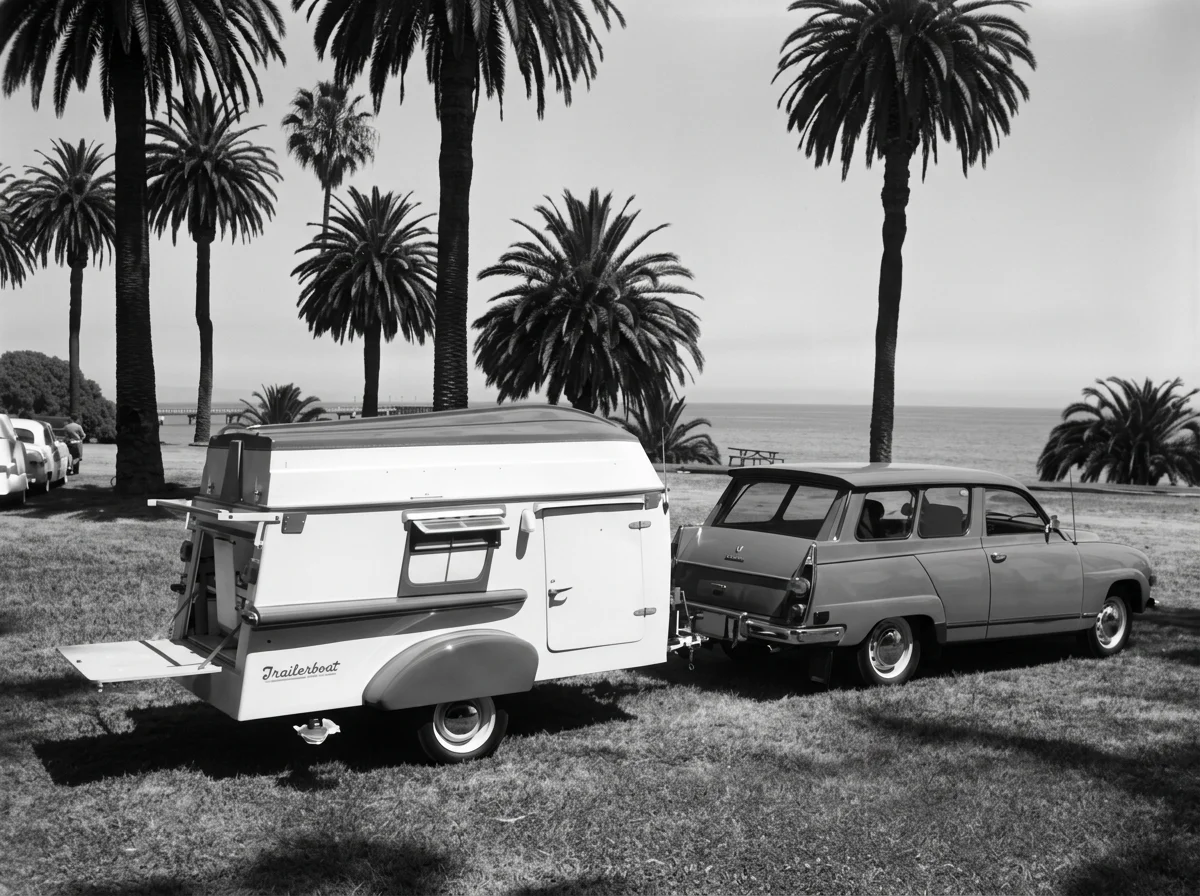
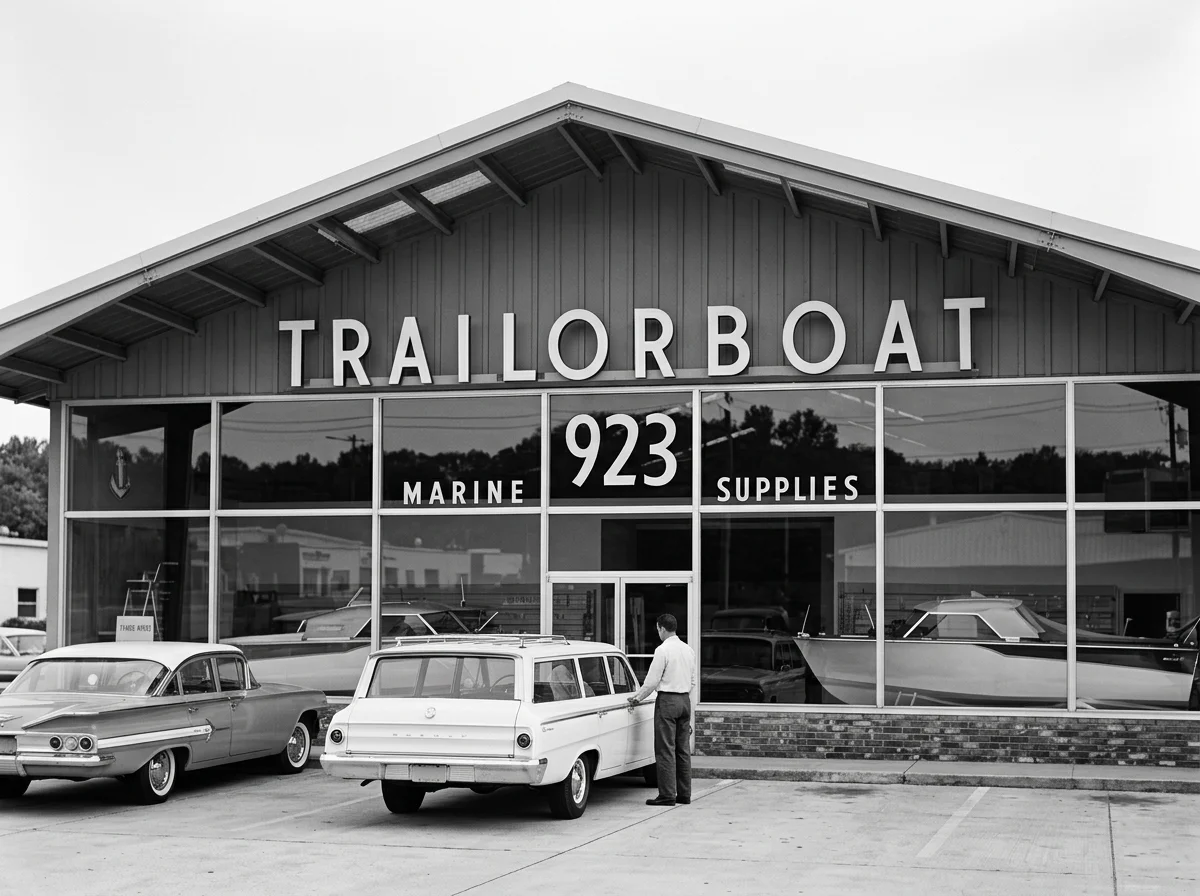
In the early 1960s, Trailorboat Engineering Company of San Rafael, California, produced one of the era’s more unusual recreational designs: a compact fiberglass camping trailer with a removable boat carried directly above it. Production was brief, surviving records are incomplete, and much of the Trailorboat story remains scattered across old advertisements, photographs, registrations, surviving campers, and the memories of the people who encountered them.
This archive brings those pieces together—separating what we know from what remains to be discovered.
A SMALL COMPANY WITH A BIG IDEA
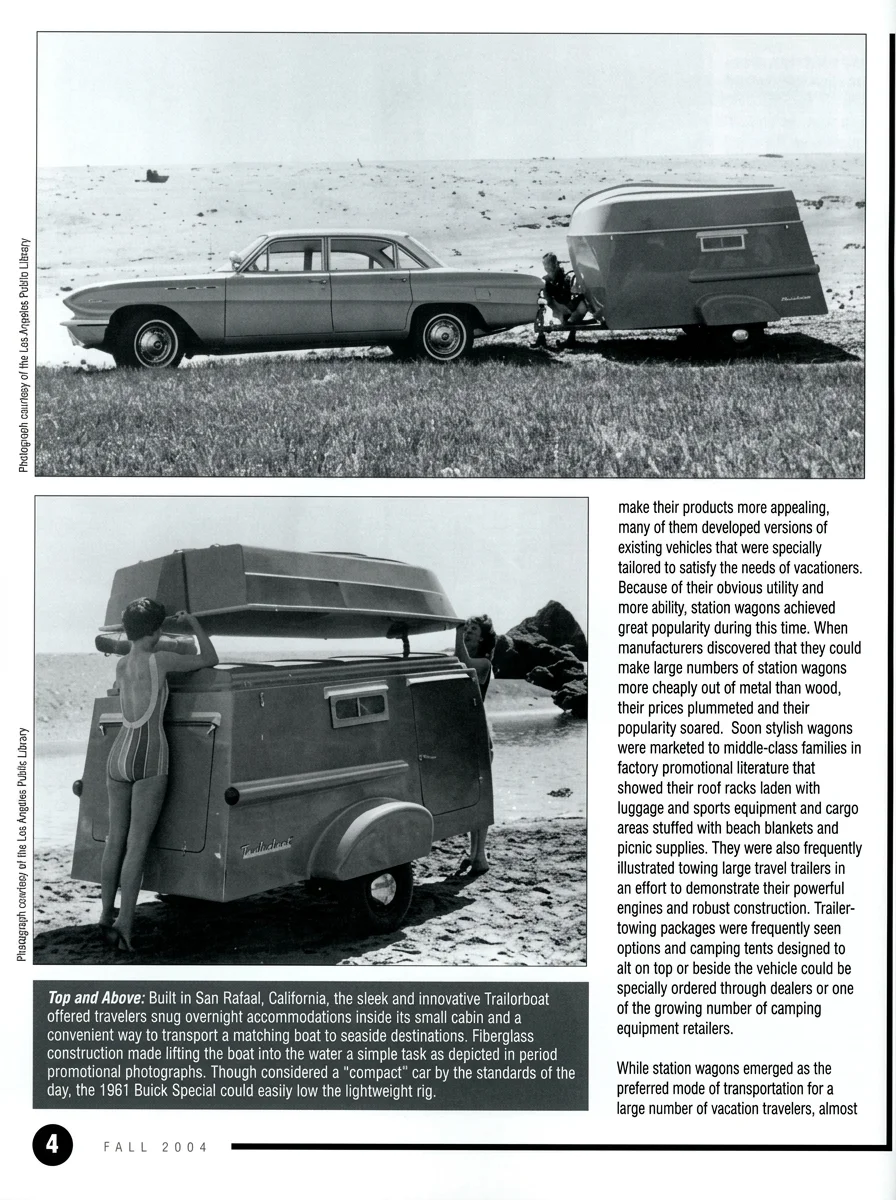
Trailorboat Engineering Company was based in San Rafael, California, where it built fiberglass boats before applying that experience to an unusual new kind of recreational vehicle. The Trailorboat combined two forms of postwar leisure—camping and boating—into a single compact package.
Rather than towing a separate boat trailer, owners could travel with the boat nested directly over the camper. At the destination, the lightweight fiberglass boat could be removed and launched, while the trailer remained behind as a compact campsite.
It was clever, ambitious, and unmistakably of its time. But Trailorboat production lasted only a few years, leaving behind relatively little documentation—and many questions that are still being researched today.
WHY SAVING THEM MATTERS
a forgotten idea
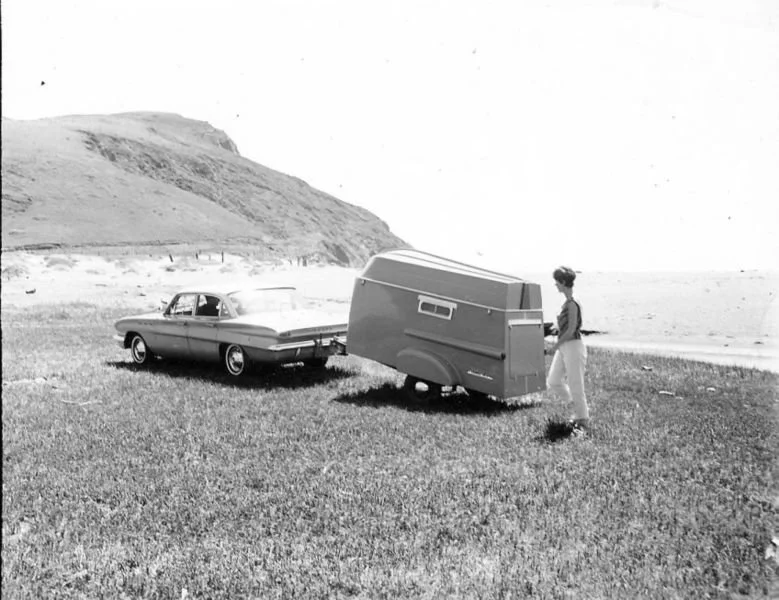
Built during the golden age of American road travel, the Trailorboat combined two adventures in one: a compact travel trailer with a removable boat carried above it.
Every surviving Trailorboat—and every photograph, serial number, document, and story—offers another piece of a history that is still being rediscovered.
FEW SURVIVE TODAY
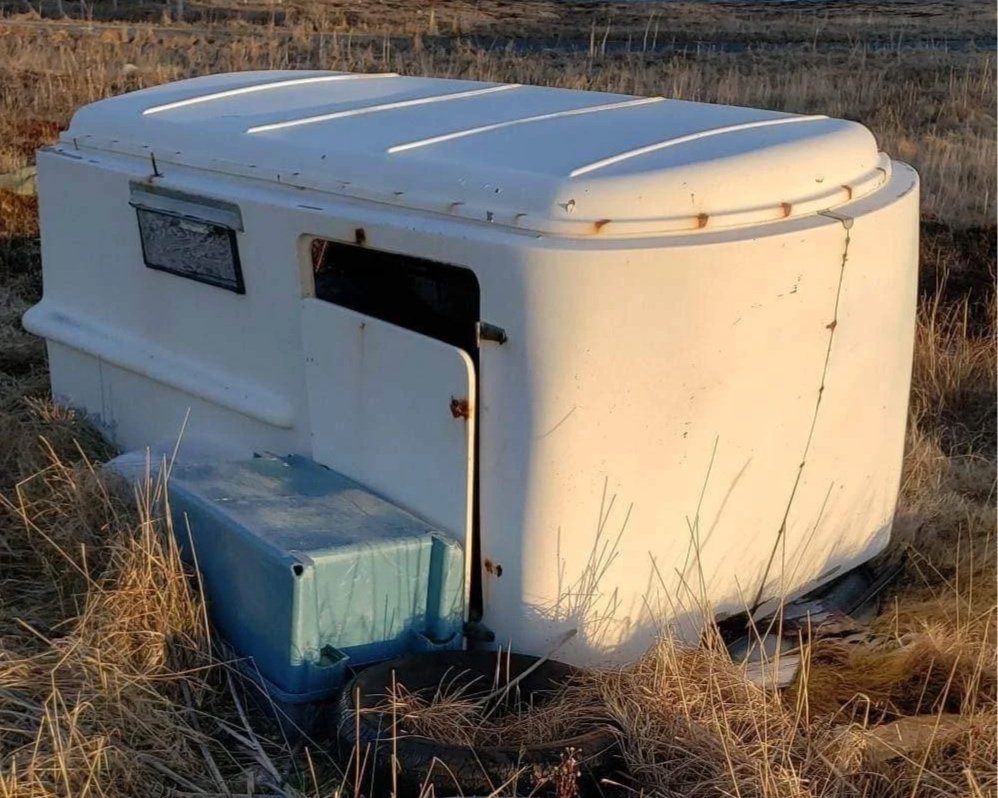
More than six decades later, surviving Trailorboats are scattered across America, tucked away in garages, barns, backyards, and private collections. No complete factory production record has been found, and estimates of how many were originally built vary widely. Even less is known about where they went, who owned them, or how many still exist today.
PRESERVING THE STORY
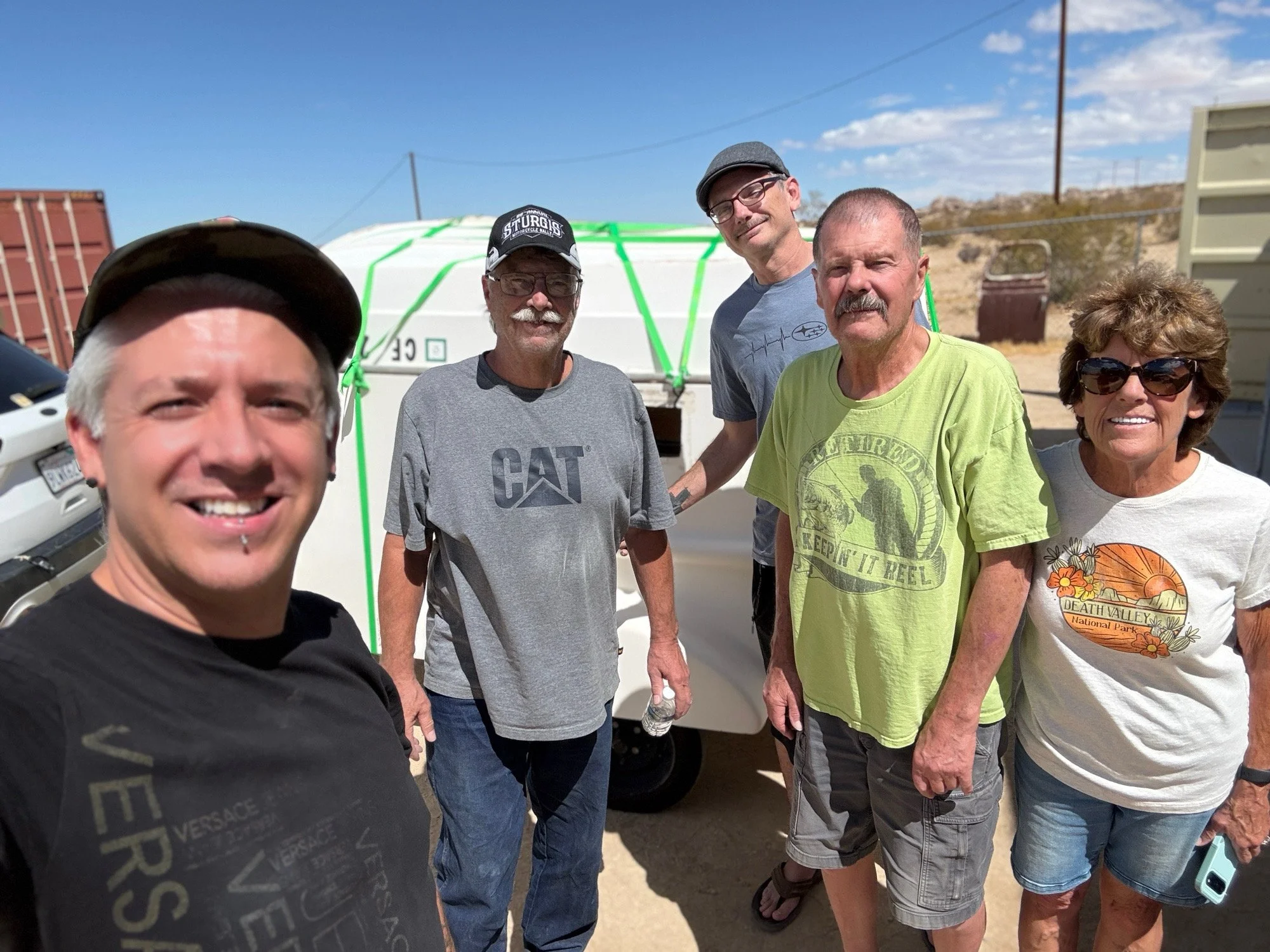
This project began with the planned restoration of #132 by the Nustads—and then I stepped in the picture. As a history geek, I am fascinated by the history of the company. And I hope it inspires others into something larger: documenting surviving Trailorboats, their owners, photographs, serial numbers and stories before that history disappears.
Function creates form
One of the Trailorboat’s most distinctive features is that its function helps create its form. The removable boat doesn’t simply ride on top of the trailer—it completes the upper silhouette, giving the combined camper and boat a streamlined profile.
That idea had precedents in earlier recreational design, including the 1937 Arrowhead Teardrop, where utility, aerodynamics and appearance were treated as parts of the same object. By the early 1960s, the Trailorboat translated that thinking into fiberglass and the visual language of its own era.
Look at #132 with the boat removed and then again with it’s boat—Splashdown in place. The profile changes completely. The boat is not cargo added to the design. It is part of the design.